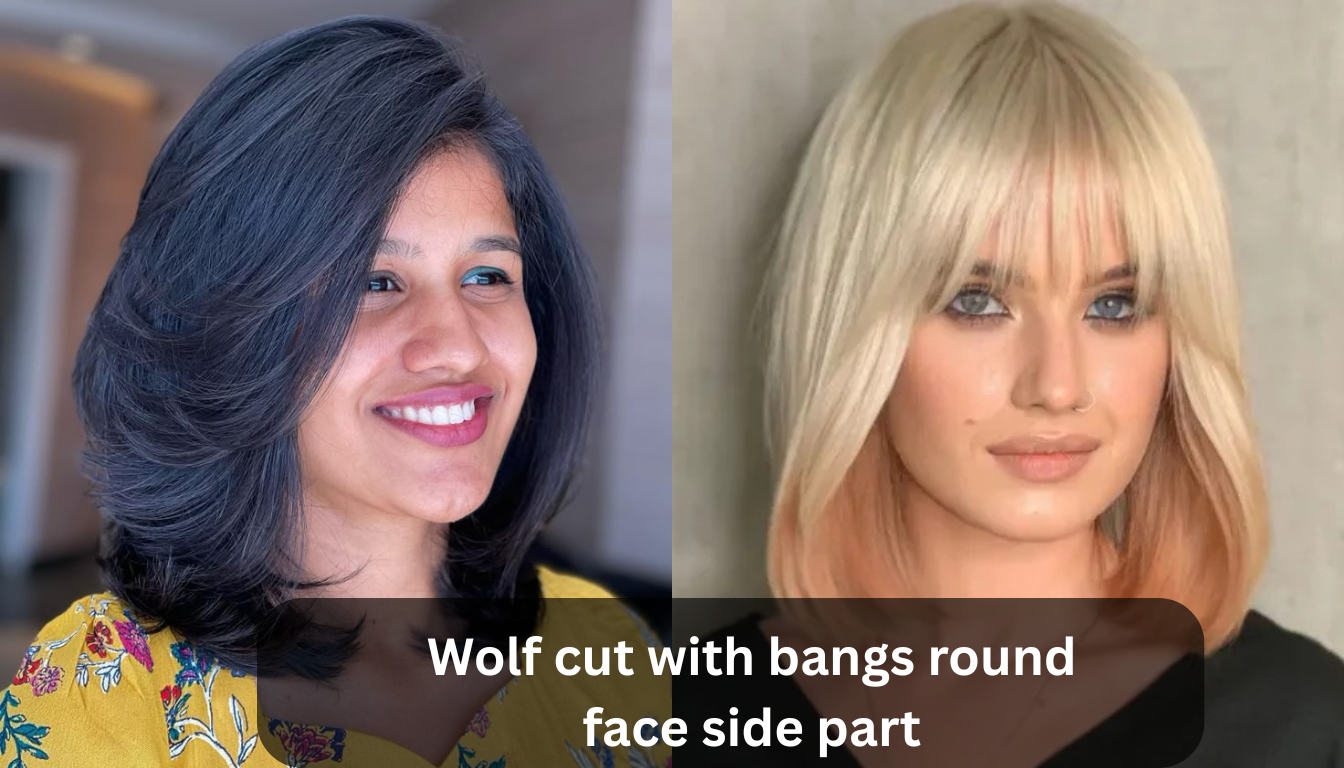
The wolf cut has taken the hair world by storm, and for good reason. This edgy, layered hairstyle combines the best elements of a shag and a mullet, creating a textured, voluminous look that flatters various face shapes. If you have a round face and are considering this trendy cut, you’re in luck. The wolf cut with bangs round face side part is particularly flattering, as it helps elongate your features while adding dimension and movement to your hair.
Understanding how to style this cut specifically for round faces can make all the difference in achieving a look that enhances your natural beauty. The side part creates an asymmetrical line that draws the eye diagonally across your face, making it appear longer and more oval-shaped. Combined with choppy bangs and the signature layered texture of a wolf cut, this style becomes a game-changer for those seeking a fresh, contemporary look.
Understanding the Wolf Cut Structure
The wolf cut is characterized by its distinctive layering technique that creates volume at the crown while keeping length at the bottom. The top layers are heavily textured and choppy, resembling a shag cut, while the bottom maintains more weight, similar to a mullet. This contrast creates a wild, untamed appearance that’s both edgy and feminine.

For round faces, this structure works beautifully because the volume at the top adds height, which helps balance the width of your face. The layers frame your features without adding bulk to the sides, and the overall shaggy texture creates angles that counteract the softness of round facial contours.
When you incorporate bangs into a wolf cut with bangs round face side part, you’re adding another dimension of face-framing that specifically targets the proportions of rounder face shapes. The bangs break up the fullness of your forehead while the side part creates an off-center focal point that naturally slims your appearance.
Why Side Parts Work for Round Faces
Side parts are a round face’s best friend. Unlike center parts that can emphasize the width of your face, a deep side part creates diagonal lines that draw the eye vertically rather than horizontally. This optical illusion makes your face appear longer and more balanced.

The wolf cut with bangs round face side part maximizes this effect by positioning the bangs to sweep across your forehead at an angle. This diagonal movement is key to creating the elongating effect you want. The deeper the side part, the more dramatic this effect becomes, so don’t be afraid to position your part quite far to one side.
Additionally, a side part allows for more volume on one side of your head, which can be styled to fall forward slightly, covering part of your cheek and creating a slimming effect. This asymmetry is crucial for breaking up the circular appearance that round-faced individuals often want to minimize.
Choosing the Right Bang Style
Not all bangs are created equal when it comes to round faces. For a wolf cut with bangs round face side part, you want bangs that are wispy, textured, and piece-y rather than blunt and heavy. Curtain bangs or side-swept bangs work exceptionally well because they frame your face without adding width.
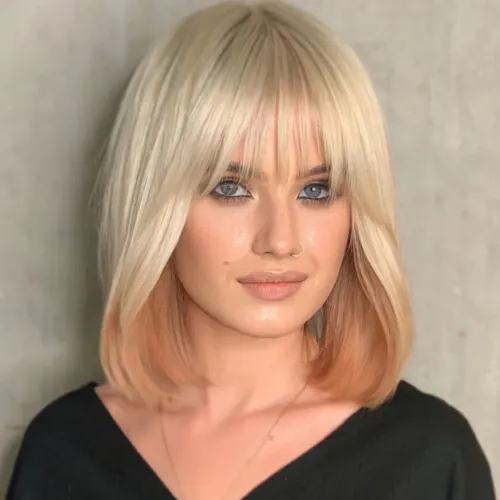
The key is to keep your bangs choppy and layered, which aligns perfectly with the wolf cut’s overall aesthetic. These textured bangs should be longest at the sides, gradually getting shorter as they move toward the center. This creates a soft, face-framing effect that elongates rather than widens.
Avoid straight-across blunt bangs, as these create a horizontal line that emphasizes the width of your face. Instead, opt for bangs that have movement and can be styled to sweep to the side, working in harmony with your side part to create those flattering diagonal lines.
Styling Your Wolf Cut with Bangs Round Face Side Part
Styling this cut is surprisingly easy, which is part of its appeal. The beauty of the wolf cut is that it’s meant to look slightly undone and messy, so you don’t need to achieve perfect symmetry or smoothness.

Start by applying a volumizing mousse to damp hair, focusing on the roots. Blow-dry your hair using your fingers to tousle and create texture rather than a brush, which would smooth out the layers too much. As you dry, make sure to establish your side part early and direct the bangs to sweep across your forehead.
Once your hair is about 80% dry, you can use a round brush on the bangs to create a slight curve that helps them blend with the rest of your layers. The body of your hair should maintain its choppy, piece-y texture, so avoid over-styling with heat tools.
For added definition, use a texturizing spray or dry shampoo at the roots for volume, and work a small amount of styling paste or wax through the mid-lengths and ends to separate the layers and enhance the shaggy texture. Scrunch and tousle with your fingers to create that effortlessly cool, lived-in look.
Face-Framing Techniques
The wolf cut with bangs round face side part naturally creates face-framing layers, but you can enhance this effect with strategic styling. The shortest layers around your face should fall around your cheekbones or just below, as this draws attention to your eyes and cheekbones rather than the width of your face.

When styling, use your fingers to pull these face-framing pieces slightly forward. You can even add a slight bend or wave to these sections using a flat iron or curling wand, creating movement that further enhances the slimming effect.
The side part should be deep enough that the heavier side of your hair creates a curtain effect that partially covers one side of your face. This asymmetry is incredibly flattering for round faces and is a signature element of this particular styling approach.
Length Considerations
While wolf cuts can work at various lengths, for a wolf cut with bangs round face side part to be most flattering, aim for a length that falls between your chin and collarbone. This length range allows the layers to create the right proportions for your face shape.
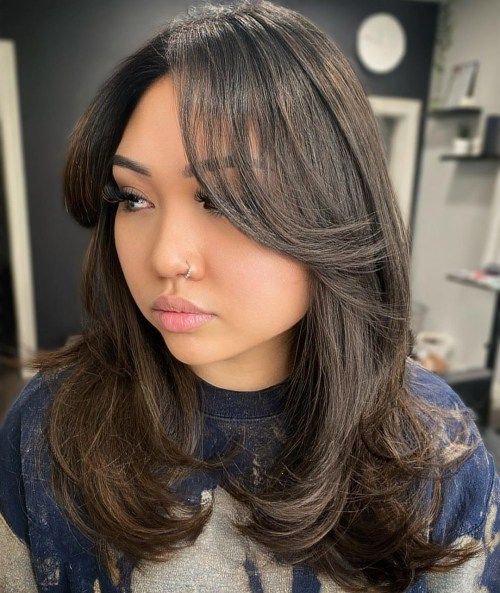
If your hair is too short, the layers might add too much volume at the sides of your face, which can make it appear wider. If it’s too long, you might lose some of the signature choppy texture that makes the wolf cut so distinctive and flattering.
The bottom length should be kept relatively consistent, with the layering concentrated in the top sections and around your face. This creates the characteristic wolf cut silhouette while maintaining enough weight at the bottom to balance the volume on top.
Maintenance and Upkeep
One of the advantages of the wolf cut with bangs round face side part is that it’s relatively low-maintenance. Because the style is meant to look textured and slightly messy, you don’t need frequent trims to maintain a perfect shape. However, you should plan for touch-ups every 8-10 weeks to keep the layers fresh and prevent the cut from losing its structure.
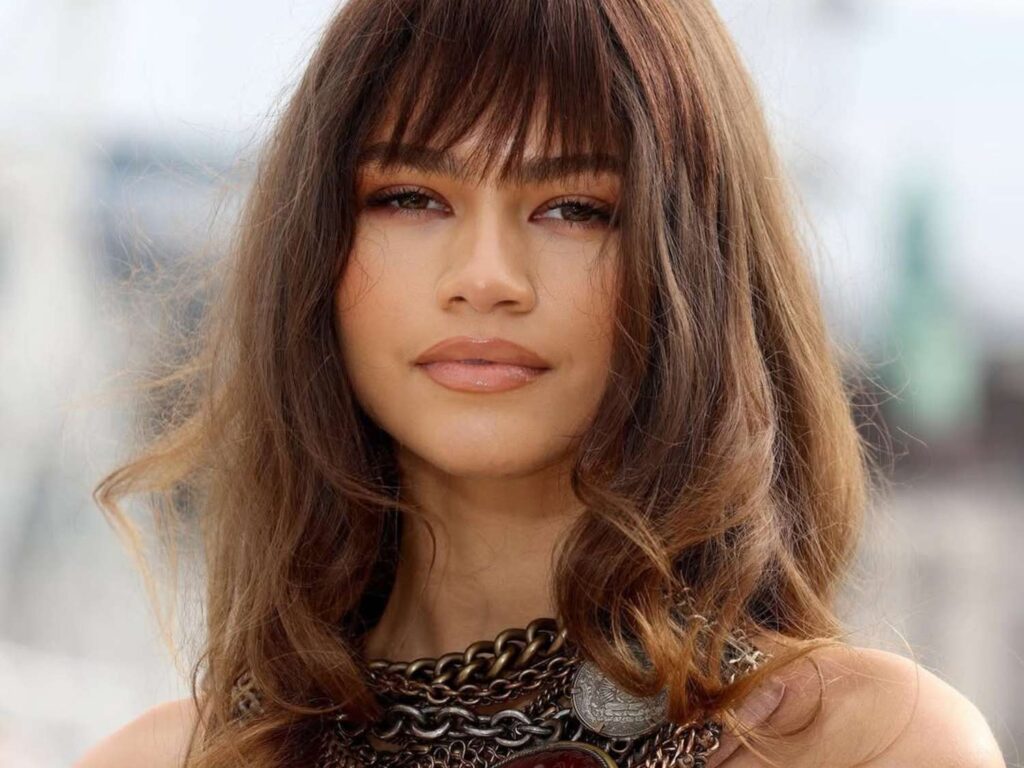
The bangs may need more frequent trims, typically every 4-6 weeks, to keep them at the right length. If they grow too long, they’ll lose their face-framing effect and start to overwhelm your features rather than enhance them.
Between salon visits, maintain your wolf cut by using quality styling products that enhance texture without weighing your hair down. Dry shampoo becomes your best friend with this cut, as it adds volume and refreshes your style between washes while maintaining that piece-y, textured look.
Color and Highlights
Adding dimension through color can further enhance your wolf cut with bangs round face side part. Highlights or balayage that are lighter around your face create vertical lines that elongate your appearance. This technique draws the eye up and down rather than side to side, which is perfect for round faces.
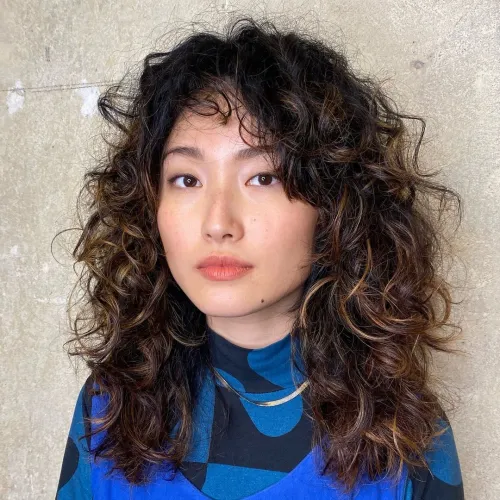
Consider placing lighter pieces through the top layers and around your bangs, as this adds depth and makes the layering more visible. The contrast between light and dark creates shadows and dimension that give the illusion of more defined facial structure.
Avoid heavy, blocky highlights or a single solid color, as these can make the style appear flat. Instead, opt for a multidimensional color treatment that complements the textured, layered nature of the cut.
Embracing Your Round Face
Remember that a round face is beautiful, and the goal isn’t to completely change your face shape but to enhance your natural features. The wolf cut with bangs round face side part is designed to create balance and harmony, drawing attention to your best features while creating the illusion of length.
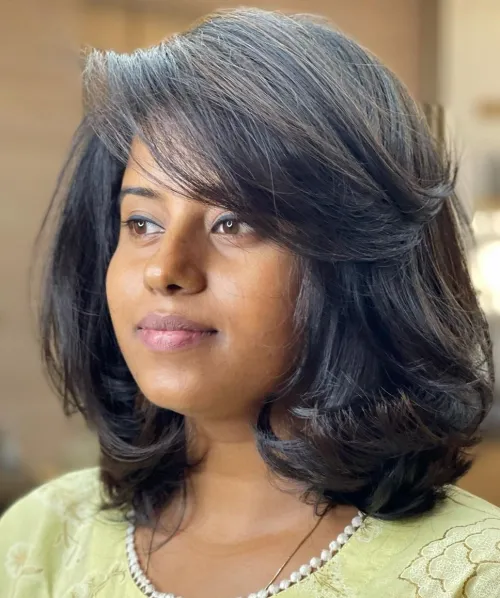
This hairstyle celebrates texture, movement, and individuality. It’s edgy yet feminine, structured yet undone, and most importantly, it’s a cut that works with your natural hair texture rather than against it. Whether you have straight, wavy, or curly hair, this versatile style can be adapted to suit your specific hair type while maintaining its face-flattering properties.
The key to success with this style is confidence. The wolf cut is a statement-making haircut that requires a certain level of boldness to pull off. When you embrace the textured, slightly wild nature of the cut and style it with the side part and bangs that flatter your round face, you’ll have a look that’s both on-trend and uniquely suited to your features.
Frequently Asked Questions
What is a wolf cut with bangs for round faces?
A wolf cut with bangs for round faces is a heavily layered hairstyle that combines shag and mullet elements, featuring choppy texture and volume at the crown. When styled with a side part and face-framing bangs, it creates diagonal lines that elongate round face shapes. The layered structure adds height and angles that balance facial proportions beautifully.
How does a side part help round faces with wolf cuts?
A side part creates an asymmetrical line across your face that draws the eye diagonally rather than horizontally, making your face appear longer and more oval. This positioning allows volume to fall to one side, partially covering your cheek for a slimming effect. The deeper the side part, the more dramatic the elongating effect becomes.
What type of bangs work best with wolf cuts for round faces?
Wispy, textured, and piece-y bangs work best rather than blunt, heavy styles that add width to your face. Curtain bangs or side-swept bangs that are longest at the sides and shorter in the center create the most flattering frame. These choppy bangs should have movement and sweep across your forehead at an angle for maximum face-slimming benefits.
How often should I trim my wolf cut with bangs?
The wolf cut itself needs touch-ups every 8-10 weeks to maintain the layered structure and prevent it from losing its signature shape. Your bangs will require more frequent maintenance, typically every 4-6 weeks, to keep them at the optimal face-framing length. Regular trims ensure the style continues to flatter your round face shape effectively.
Can I style a wolf cut with bangs if I have straight hair?
Absolutely, wolf cuts work beautifully on straight hair and the texture is often easier to achieve without fighting natural curl patterns. Use texturizing products and styling techniques like scrunching to create the piece-y, layered look characteristic of this cut. Straight hair shows off the choppy layers particularly well, making the dimensional cutting technique more visible.
What length is most flattering for a wolf cut on round faces?
The most flattering length falls between your chin and collarbone, as this allows the layers to create proper proportions without adding width. Hair that’s too short may create excessive volume at the sides of your face, while hair that’s too long can lose the signature choppy texture. This medium length range provides the perfect balance of structure and movement.
How do I create volume at the crown with a wolf cut?
Apply volumizing mousse to damp roots before blow-drying, and use your fingers to lift hair away from your scalp as you dry. Finish with texturizing spray or dry shampoo at the roots for added lift and grip. The natural layering of the wolf cut already creates volume, so minimal product and technique are needed to enhance this effect.
Should I add color or highlights to my wolf cut?
Adding dimensional color through highlights or balayage can enhance your wolf cut by creating vertical lines that further elongate your face. Lighter pieces around your face and through the top layers add depth and make the layering more visible and dimensional. Multidimensional coloring complements the textured nature of the cut and draws attention to your best features.
How do I style my wolf cut bangs with a side part?
Establish your deep side part while hair is damp, then blow-dry your bangs sweeping them across your forehead toward the lighter side. Use a round brush to create a slight curve that helps bangs blend with your face-framing layers. Finish with a small amount of styling paste worked through the bangs to separate pieces and maintain that textured, wispy appearance.
Is the wolf cut with bangs high maintenance?
The wolf cut is relatively low-maintenance because it’s designed to look textured and slightly undone, so you don’t need perfect styling daily. Between washes, dry shampoo refreshes the style and maintains volume without requiring a complete restyle. The intentionally messy aesthetic means you can embrace natural texture and achieve great results with minimal effort and styling time.
Conclusion
The wolf cut with bangs round face side part is more than just a trendy hairstyle—it’s a strategic approach to enhancing your natural features while embracing contemporary style. This versatile cut combines the edgy, textured layers of a wolf cut with the face-slimming benefits of a deep side part and carefully placed bangs, creating a look that’s both fashion-forward and incredibly flattering for round face shapes.
By understanding how the layered structure adds height, how the side part creates elongating diagonal lines, and how textured bangs frame your face without adding width, you can maximize the flattering potential of this style. The beauty of this cut lies in its versatility—it works across different hair textures, requires minimal daily styling, and maintains its shape beautifully between salon visits.